
If you’re just starting out learning piano then you will have to make a decision about what sort of piano to get. There’s a bewildering range of pianos to choose from. But the fundamental choice is between a real piano and a digital piano. So how do you decide?
There are many factors to consider when looking for your first piano, not least of which is cost. If you have a large budget to use, then you have a lot more choice available to you and you can go for a top class instrument, but if cost is an issue for you, then you’ll have to be more careful in your choice. But whatever your budget, you will have to choose between a real or digital piano. To help you decide here are the pros and cons of each to help you come to the right decision.
Many professional pianists claim that only a real piano can give satisfaction in playing and provide a more expressive sound. Of course we are not all concert pianists and many of us will be very happy with a digital piano. So what are the advantages and disadvantages of a real piano?
The Pros and Cons of a Real Piano
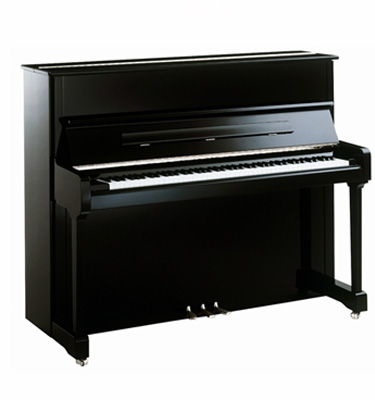
- The sound produced by a real acoustic piano is the ultimate piano sound and is what digital pianos try to emulate. So the sound quality goes without question so long as it is a well looked after piano.
- A real piano that is looked after should hold it’s value, especially if it is a quality brand.
- The downside of real pianos is the cost. You really should try to get a good quality piano as a quality make will be made with the best materials. This is important as a real piano is a mechanical instrument and will wear over time. Buying a cheap piano is false economy as it will be manufactured using inferior materials that won’t be so durable and will lead to further maintenance costs later on.
- If you are able to afford a good quality piano you will still have ongoing costs. A real piano needs regular tuning, usually twice a year. A qualified piano tuner is required to carry this out as it is a specialist task. Also, as a real piano is mechanical so there may be occasional maintenance required to keep it playing well. If you buy a second hand piano, the risk of further expense is greater as many parts will already be partially worn.
- With a real piano attention must be made to the environment in which the piano lives. Humidity and warmth can affect the tune of a piano, as much of the construction of a piano is wood, and so it can react to changes in temperature and humidity. This particularly true of cheaper pianos.
A good quality real piano is the ultimate in piano playing, but needs care and regular maintenance to keep it playing well and protect it’s value.
The Pros and Cons of a Digital Piano
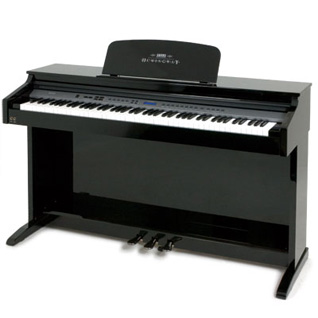
- A good quality digital piano can cost significantly less than a quality real piano. Also, as a digital piano is an electronic instrument with minimal mechanical parts, there are practically no ongoing maintenance costs.
- Digital pianos are not affected by normal changes in temperature and humidity and do not require any tuning. They are always in tune.
- Digital pianos are more compact, so this is a great benefit if you don’t have much space. They also don’t weigh a ton like a real piano, so they are a lot easier to move!
- Digital pianos enable you to use headphones so you won’t disturb anyone else, even if you practice late at night.
- Digital pianos come with other sounds such electric piano, harpsichord, organ, strings etc., so you can have fun playing a variety of instruments.
- The downside of a digital piano is it can lose value quickly, as new models are often brought out with improved technology. There are still some pianists that don’t think the sound of a digital piano is authentic. That may have been true ten years ago, but modern digital pianos are now very close to the real thing. I’m sure that in a listening test most people wouldn’t be able to tell the difference.
Today, digital pianos have advanced a lot. The technology that produces the sound and the improved keyboard actions make the best digital pianos almost indistinguishable from a real piano. Many music schools have a number of digital pianos for their students to learn on, so this is a testament to the practicality and quality of these instruments for learning on.
As you can see a digital piano will allow you to learn to play piano with many convenient features and is a practical solution for cost, space and a quality sound that doesn’t go out of tune. You can always transfer to a real piano later if you develop your playing to proficient level and feel this is the way you want to go.